
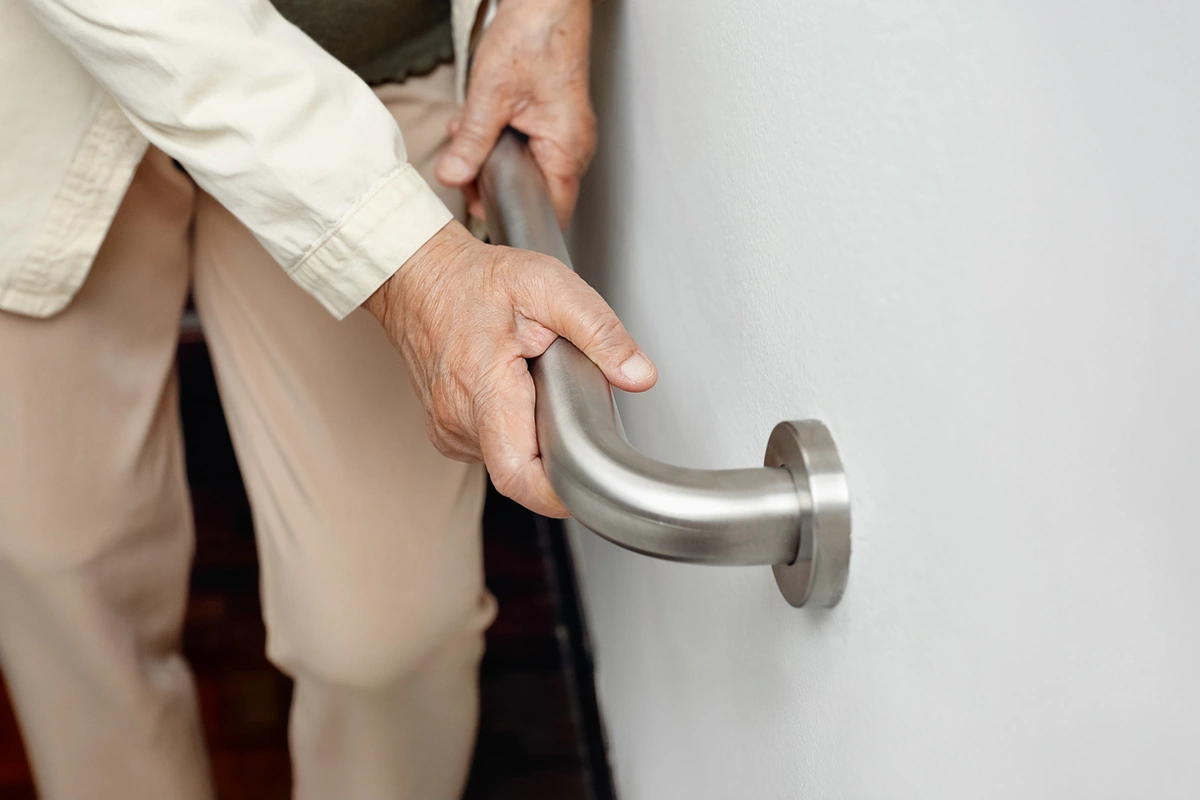
Fall prevention for seniors is one of the most important safety priorities in any assisted living community, and for good reason. As adults age, the risk of falling increases, and the outcomes can be life-changing. But the good news is, with the right support, these risks can be reduced.
At Parkside Assisted Living and Memory Care in Port Charlotte, Florida, we take fall prevention seriously. Our team is trained to recognize fall risks early, and we’ve designed our community with safety, mobility, and peace of mind for residents and families.
Let’s discuss why falls happen, why they matter, and how assisted living can help keep your loved ones safe, active, and independent.
Why Falls Are So Dangerous for Seniors
Falls are the leading cause of injury among adults over 65. According to the CDC, 1 in 4 seniors falls each year, and many of those falls result in serious injury like hip fractures, head trauma, or hospitalization.
But it’s not just the physical harm. A fall can lead to:
- Fear of falling again
- Reduced mobility
- Withdrawal from social activities
- Loss of confidence and independence
This ripple effect can change a person’s entire life. That’s why taking fall prevention seriously is so important, especially in senior care settings.
Common Causes of Falls in Older Adults
Understanding what causes falls helps families and care teams plan. Some of the most common fall risks include:
- Weak muscles or poor balance
- Medications that cause dizziness or confusion
- Vision problems
- Cognitive decline like dementia
- Clutter or poor lighting in the home
- Lack of mobility aids or improper equipment
- Dehydration or low blood pressure
Most falls happen at home, which is why many families turn to assisted living, where safety measures are already in place.
How Assisted Living Communities Help Prevent Falls
Assisted living communities are built with senior safety in mind. At Parkside, we combine trained caregivers, environmental safety, and wellness programs to reduce the chance of falls and give residents more confidence in their daily lives.
Here’s how it works:
Personalized Fall Risk Assessments
Every new resident receives a fall risk assessment when they move in. This includes a review of their:
- Medical history
- Medications
- Mobility needs
- Past falls or balance issues
From there, our care team builds a personalized support plan to help with daily movement, medication routines, and more.
Environmental Safety Features
Every apartment and common area at Parkside is designed to prevent tripping and slipping. Safety features include:
- Non-slip floors
- Grab bars in bathrooms
- Handrails in hallways
- Bright lighting in all areas
- Wide, clear walkways
- No-step thresholds
These small details make a big difference in fall prevention.
On-Site Staff Available 24/7
Many falls happen when seniors try to do something alone. In assisted living, help is always nearby.
Trained staff are available 24/7 to:
- Assist with transfers and walking
- Help with dressing or toileting
- Respond quickly to any emergency
Having someone to support these moments can prevent minor stumbles and serious injuries.
Mobility Support and Equipment
Seniors often need canes, walkers, or wheelchairs, but many struggle to use them correctly. At Parkside, our team helps residents:
- Choose the right mobility tools
- Make sure the equipment fits properly
- Learn safe walking and standing techniques
We partner with local physical and occupational therapists to guide strength and balance.
Fall Prevention at Parkside: What Sets Us Apart
Fall prevention is part of daily life at Parkside Assisted Living and Memory Care. Our care team works closely with families and physicians to monitor changes and prevent accidents before they happen.
Here’s what you’ll find:
- Regular care plan reviews
- Concierge medicine is available 24/7 for health concerns
- Safety checks throughout the community
- Extra support for Memory Care residents, who are often at greater fall risk
- Wellness activities built around strength, flexibility, and balance
We focus on proactive care, not just reacting after something happens.
Physical Wellness and Fall Prevention
One of the best ways to prevent falls is to build strength and improve balance. That’s why Parkside’s wellness program includes:
- Light strength training
- Chair yoga and flexibility exercises
- Group fitness tailored for seniors
- Balance workshops
These activities are part of the 7 Dimensions of Wellness that guide all care at Parkside. Staying active is good for the body and boosts confidence and independence.
When to Consider Assisted Living for Fall Risk
If you’re worried about a parent or loved one falling at home, here are a few signs it might be time to look into assisted living:
- Recent falls or close calls
- Bruises or unexplained injuries
- Holding onto walls or furniture when walking
- Fear of going out or using stairs
- Skipping meals or medications due to mobility issues
- Caregiver burnout
Sometimes, families wait until a serious fall happens. But getting help before an injury can protect your loved one’s health and well-being.
See How Parkside Supports Safe, Independent Living
At Parkside Assisted Living & Memory Care in Port Charlotte, seniors should feel safe and confident daily. Our team works hard to prevent falls before they happen, so residents can move freely, stay active, and enjoy life without fear.
If you’re worried about fall risk for someone you love, we invite you to schedule a tour. Let us show you how safety and independence can go hand in hand.
Frequently Asked Questions
1. What causes most falls in seniors?
Muscle weakness, poor balance, medications, and unsafe home environments are common causes.
2. How do assisted living communities prevent falls?
They use trained staff, safety-focused designs, and wellness programs to reduce fall risks.
3. What happens if a resident falls in assisted living?
Staff respond immediately, assess the situation, and notify medical professionals and family.
4. How often are fall risks checked in assisted living?
Care teams perform regular fall risk assessments and update care plans as needed.
5. Are bathrooms and bedrooms senior-safe?
Yes. They include features like grab bars, non-slip flooring, and call buttons.
6. What types of exercises help prevent falls?
Balance exercises, strength training, and stretching can all reduce fall risk.
7. Are memory care residents more at risk?
Yes. Residents with dementia often have a higher fall risk and receive added supervision.